Tanzania is one of Africa's most diverse travel destinations, offering world-famous safari parks, the snow capped peak of Mount Kilimanjaro, and the idyllic beaches of Zanzibar. Whether you're planning a wildlife adventure, a mountain trek, or a relaxing beach holiday, preparing in advance will help you make the most of your trip.
Before you travel, it's important to consider the best time to visit, understand local currency and payment options, review health recommendations and visa requirements, and learn about local customs and culture. While English is widely spoken in the tourism industry, knowing a few basic Swahili phrases can enhance your interactions with locals. It's also a good idea to pack appropriate clothing for your itinerary and take precautions against mosquito-borne illnesses, particularly if you'll be visiting safari regions.
With its welcoming people, breathtaking landscapes, and extraordinary wildlife, Tanzania offers an unforgettable travel experience. A little planning before your departure will ensure you can explore the country's national parks, cultural heritage, and coastal destinations with confidence and peace of mind.
1. Experience Kilimanjaro, Safari, and Zanzibar
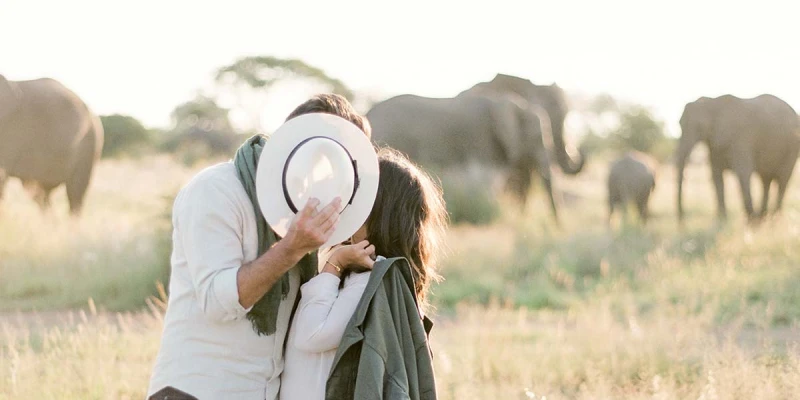
Since you'll be traveling such a long distance, it's worth considering an itinerary that lets you experience several of Tanzania's highlights. A well-planned trip can include a safari in Serengeti National Park, a climb up Mount Kilimanjaro, and time to relax on the beautiful beaches of Zanzibar.
If you're short on time, don't worry. Many tour operators can create a customized itinerary that fits your schedule, whether you're looking for a shorter safari or a more flexible travel plan.
Choose the Best Time to Visit

The ideal time to visit depends on the type of trip you're planning.
- Safari: June to October offers excellent wildlife viewing and the opportunity to witness the Great Migration.
- Zanzibar: December to February is warm and sunny, making it perfect for beach holidays, although the island enjoys pleasant tropical weather throughout the year.
- Mount Kilimanjaro: The mountain can be climbed year-round, but the drier months are generally more comfortable, while April and November are typically the rainiest.
3. Discover Tanzania's Natural Wonders
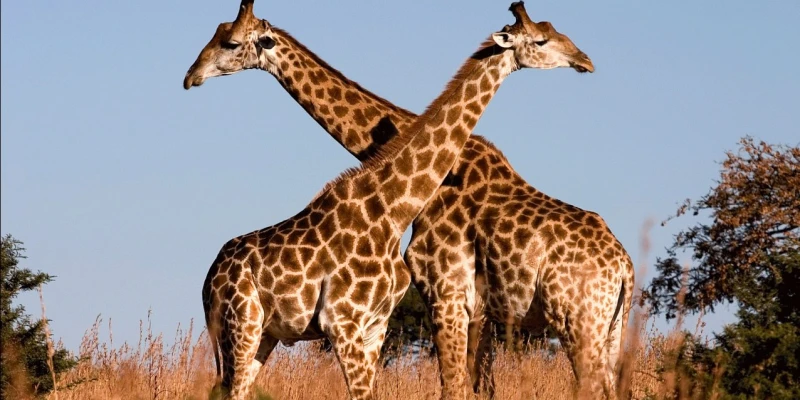
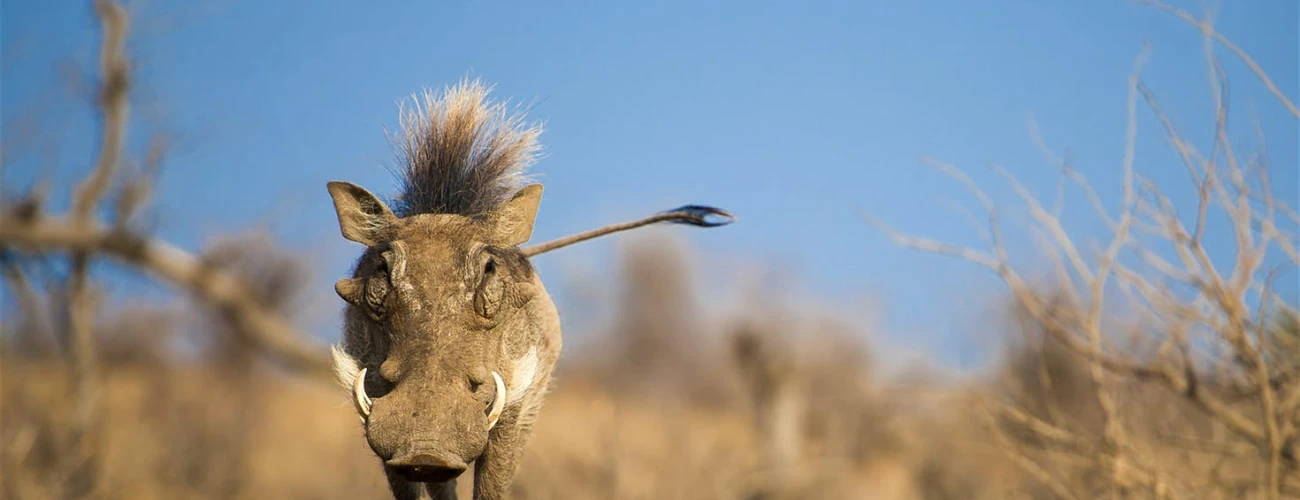
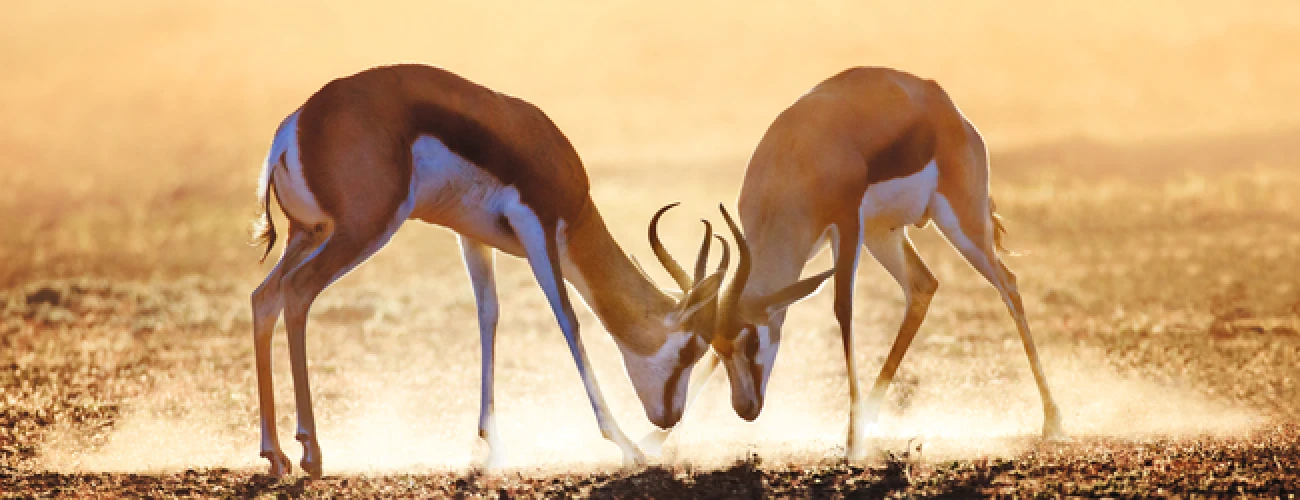
Tanzania is home to some of Africa's most spectacular landscapes and wildlife. Bring a good camera you'll want to capture every moment.
From the vast Ngorongoro Crater to the towering Mount Kilimanjaro, the country's scenery is unforgettable. Lake Manyara is another remarkable destination, known for its beautiful lake, diverse birdlife, and abundant wildlife. Tanzania also offers lesser-known attractions, including natural hot springs and scenic coffee plantations.
4. Currency

The official currency is the Tanzanian Shilling (TZS).
While Tanzanian shillings are used for everyday purchases, U.S. dollars (USD) are widely accepted by hotels, safari operators, and many tourism-related businesses. Carrying some U.S. dollars and exchanging money when needed is often the most convenient option.
5. Safety
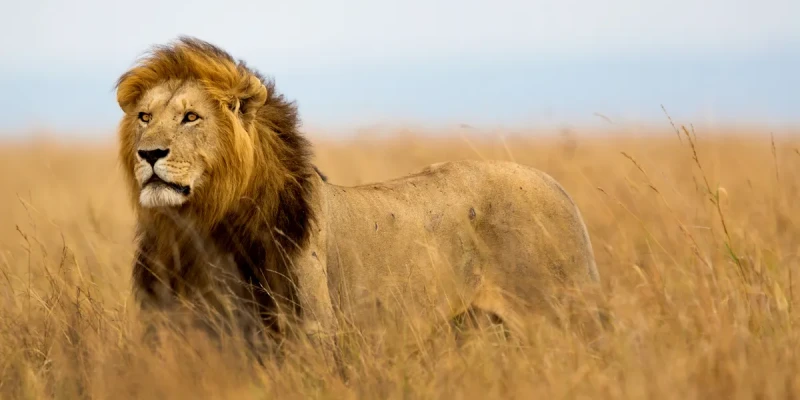
Tanzania is generally considered a safe destination with friendly and welcoming people. Serious violent crime involving tourists is uncommon, but petty theft can occur, particularly in busy urban areas.
To stay safe:
- Book tours with reputable operators.
- Use trusted or recommended taxi services.
- Avoid isolated areas after dark.
- Keep valuables such as your passport, wallet, and phone secure, preferably in a money belt, cross-body bag, or hotel safe.
6. Visit a Maasai Village

Like neighboring Kenya, Tanzania is home to the Maasai people, one of East Africa's most wel known Indigenous communities.
Visiting a Maasai village offers an opportunity to learn about their traditions, culture, and way of life. Many travelers include a cultural visit as part of their safari itinerary, making it a rewarding addition to their trip.
7. Learn a Few Swahili Phrases
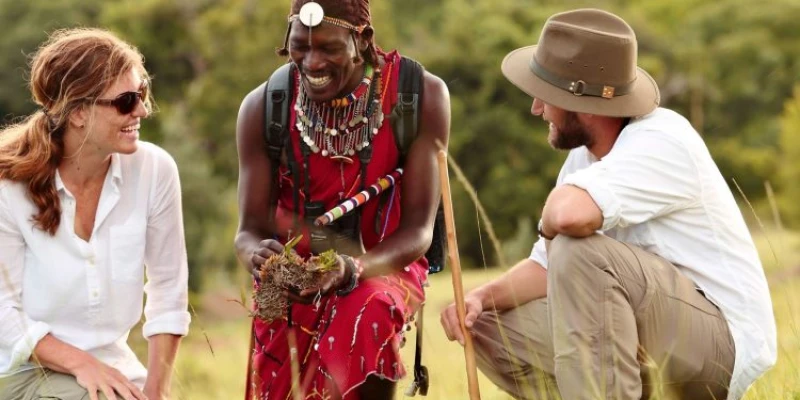
Swahili is Tanzania's national language and is spoken throughout the country. English is commonly used in the tourism industry, hotels, and national parks, but learning a few basic Swahili phrases can make your interactions with locals even more enjoyable.
Some useful phrases include:
- Jambo Hello
- Habari? How are you?
- Asante Thank you
- Asante sana Thank you very much
- Karibu Welcome
- Tafadhali Please
- Ndiyo Yes
- Hapana No
- Kwaheri Goodbye
Learning just a few words of Swahili is a great way to connect with local people and enhance your travel experience in Tanzania.