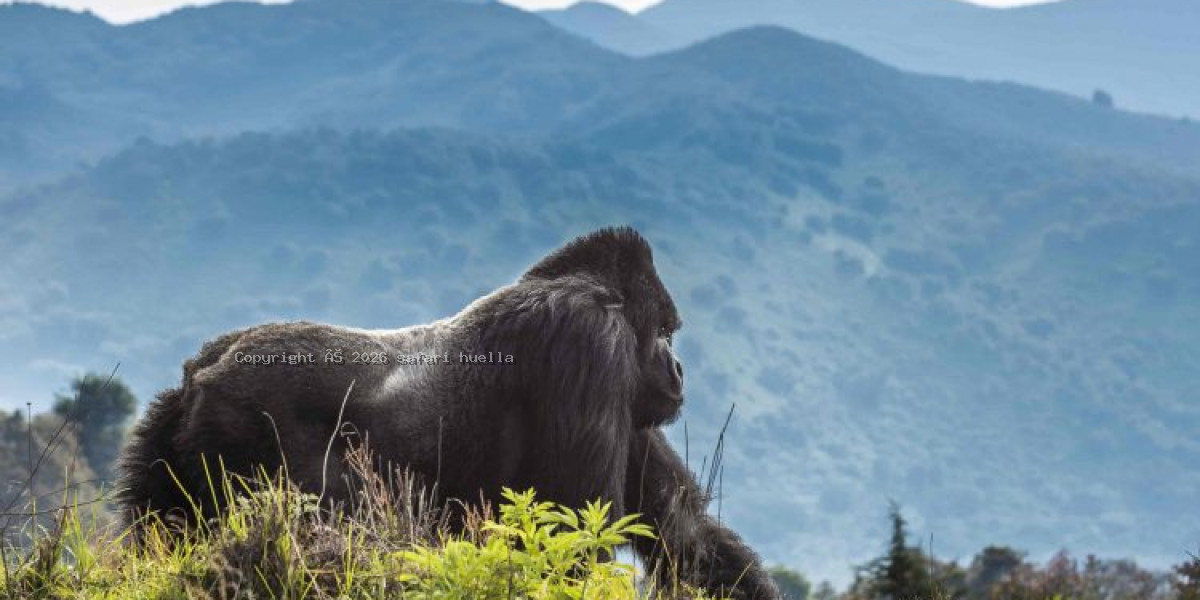
Rwanda Gorilla
Rwanda's compact size is one of its greatest advantages for travelers. Roughly the size of Wales or Massachusetts, the country allows visitors to travel efficiently between major destinations. From Kigali, travelers can reach the mountain gorilla habitat of Volcanoes National Park in around two and a half hours by road, making it possible to arrive in the capital and begin a gorilla adventure the following day.
Rwanda is also renowned for its spectacular scenery, from lush terraced hills and volcanic peaks to the clear waters of Lake Kivu. In the north, Volcanoes National Park protects part of the Virunga Massif, home to Rwanda's mountain gorilla population. The park is also closely associated with conservationist Dian Fossey, whose former research area and gravesite are located in the region.
Premium Gorilla Safari Experience
Rwanda has developed a high-end tourism model centered around conservation and carefully managed visitor experiences. Gorilla trekking permits are priced at a premium, while the country offers a range of luxury lodges and intimate safari experiences.
The country's attractions extend well beyond gorilla trekking:
Volcanoes National Park; mountain gorilla trekking and golden monkey experiences.
Nyungwe Forest National Park; chimpanzee tracking, rainforest exploration, and the canopy walkway.
Lake Kivu; scenic lakeside landscapes, relaxation, and water-based activities.
Akagera National Park; a restored savanna ecosystem offering opportunities to see the Big Five.
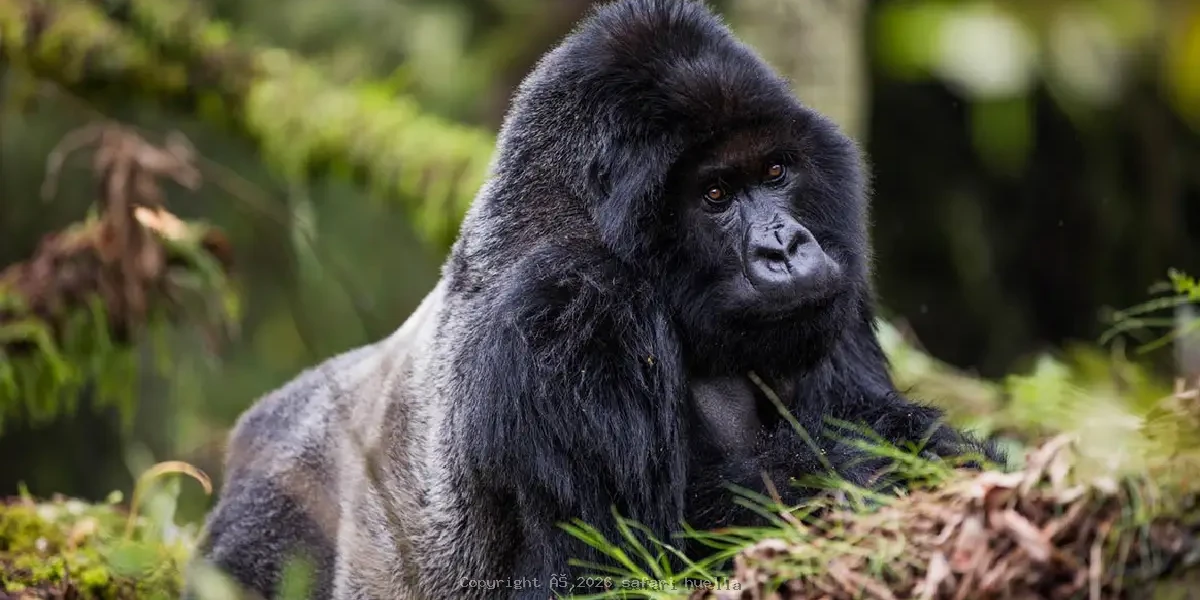
Volcanoes National Park
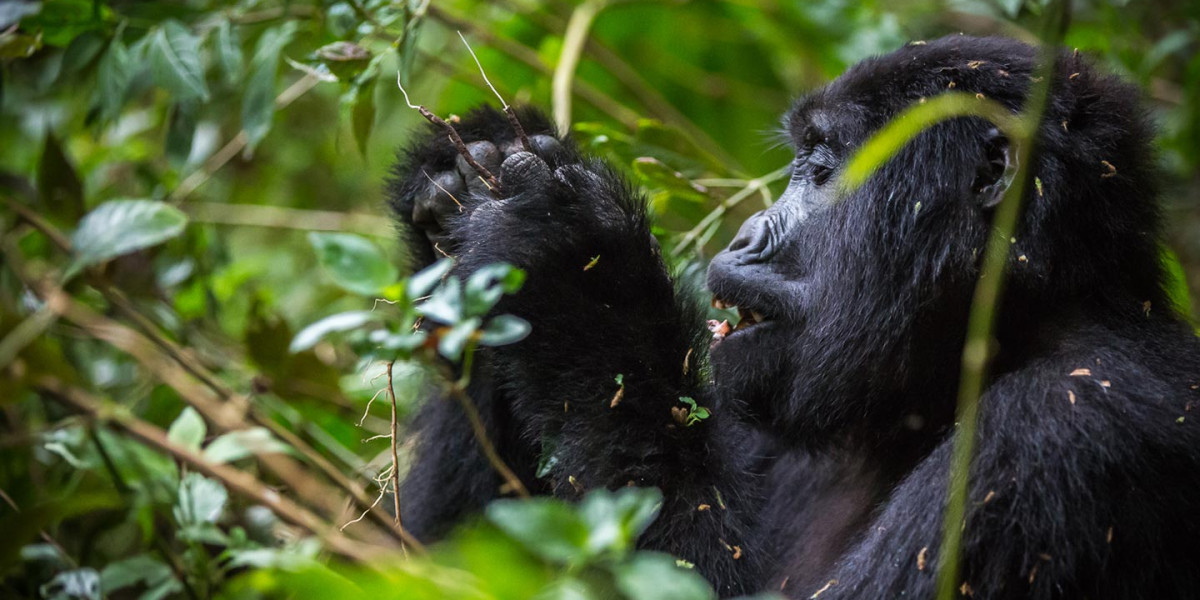
Located in northwestern Rwanda, Volcanoes National Park protects the forested slopes of the Virunga Massif, a spectacular volcanic mountain range and habitat of the endangered mountain gorilla.
The park encompasses a diverse range of montane ecosystems, including evergreen and bamboo forests, open grasslands, swamps, and high-altitude heathland. This variety of habitats supports an exceptional range of wildlife and plant species.
The Virunga Volcanoes
The park takes its name from the chain of dormant volcanoes that form the Virunga Massif:
Mount Karisimbi – 4,507 m, the highest peak in the range
Mount Bisoke – known for its beautiful crater lake
Mount Sabinyo
Mount Gahinga
Mount Muhabura
Volcanoes National Park is best known for mountain gorilla trekking, but its volcanic landscapes, bamboo forests, golden monkeys, hiking trails, and rich montane biodiversity make it an important destination for nature and adventure travelers.
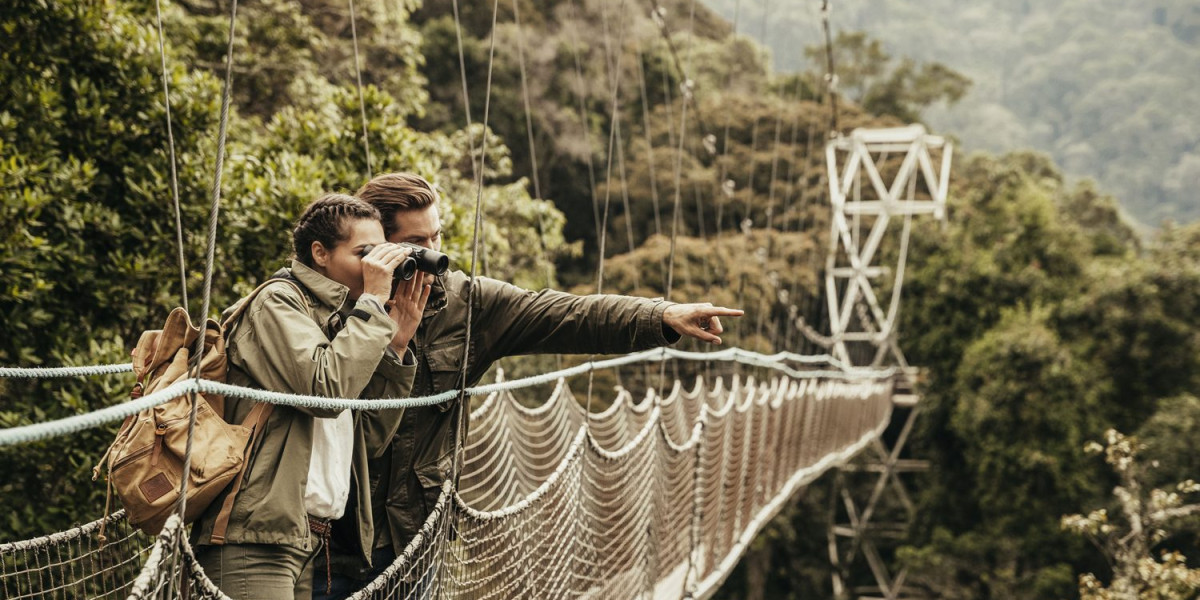
Nyungwe National Park
Nyungwe National Park is one of Africa's oldest rainforests and one of Rwanda's most important biodiversity destinations. Its mountainous terrain is covered by ancient tropical forest, creating a spectacular environment for wildlife and nature exploration.
The park is home to a remarkable variety of wildlife, including chimpanzees and 12 other primate species. Among them is the L'Hoest's monkey, an Albertine Rift endemic that makes Nyungwe particularly significant for primate enthusiasts.
Wildlife & Experiences
Nyungwe is especially known for:
Chimpanzee tracking
L'Hoest's monkey and other primates
Ancient montane rainforest
Guided forest walks
Rich birdlife and forest biodiversity
Scenic mountain landscapes
With its exceptional biodiversity and extensive rainforest habitat, Nyungwe offers a contrasting experience to Rwanda's volcanic landscapes and provides an excellent destination for travelers interested in primates, birdwatching, hiking, and rainforest exploration.
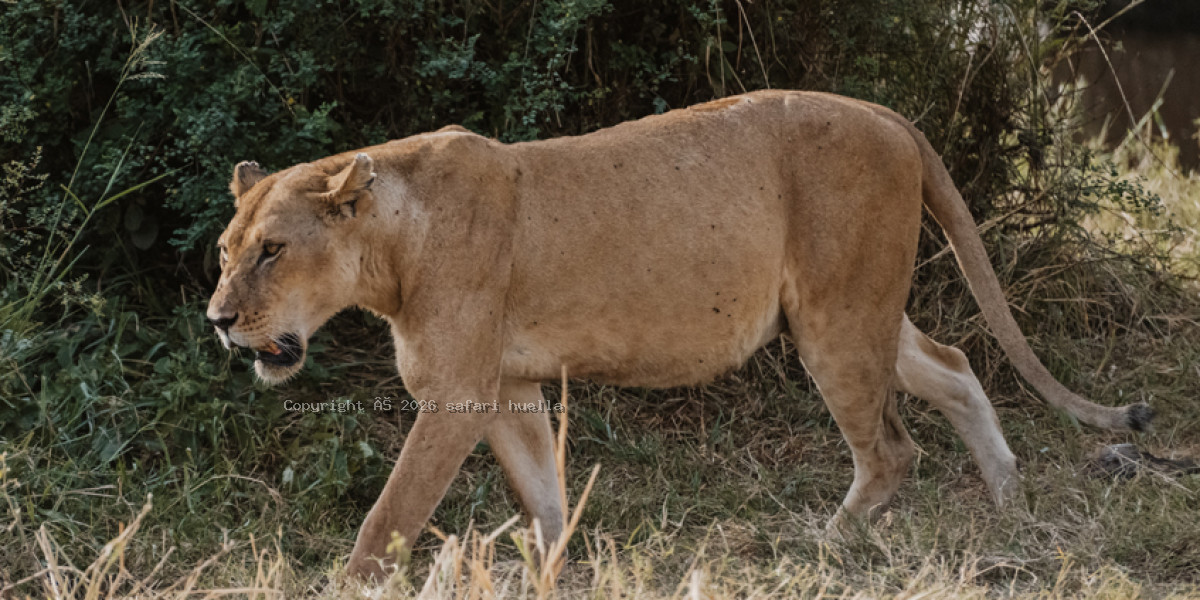
Akagera National Park
Akagera National Park is a diverse wildlife destination in eastern Rwanda, characterized by warm, low-lying savannah plains, woodland, wetlands, and a network of lakes. Its open landscapes provide excellent opportunities for traditional game viewing.
Managed in partnership with African Parks, Akagera has undergone significant conservation and wildlife-management efforts aimed at restoring the park's ecosystem and strengthening its safari offering.
Wildlife & Conservation
Akagera is home to a growing range of iconic African wildlife, with ongoing efforts to support the return and recovery of the Big Five.
Key conservation achievements include:
Lions were reintroduced to the park, with the population subsequently breeding successfully.
Eastern black rhinos have been reintroduced to strengthen the park's rhino population.
Anti-poaching measures have been strengthened through aerial surveillance, canine teams, and specialized rhino-tracking teams.
Wildlife protection and habitat management have helped improve conditions for both animals and visitors.
Safari Experience
The park's largely open terrain makes it well suited to game drives and wildlife viewing, while its wetlands and lakes add an important dimension to the landscape.
Visitors can experience a different side of Rwanda here savannah wildlife, lakes, wetlands, woodland, and conservation focused safari experiences complementing the gorilla trekking of Volcanoes National Park and the rainforest environment of Nyungwe.
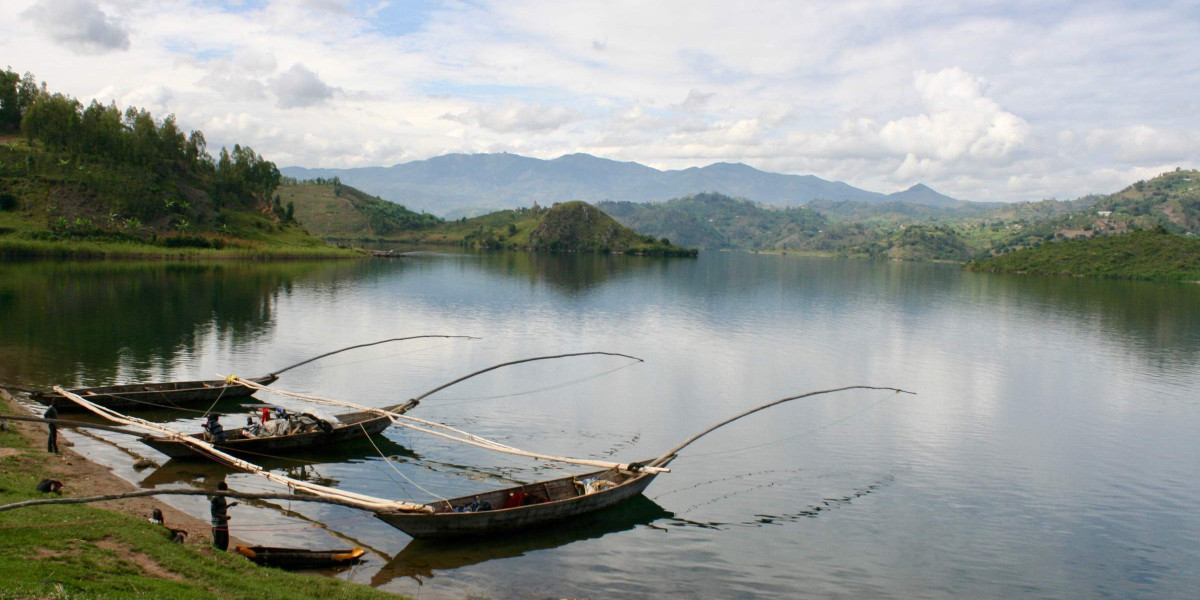
Lake Kivu
Lake Kivu is one of Rwanda's most spectacular natural attractions, forming part of the Great Rift Valley in the country's west. The lake is surrounded by dramatic mountains and is known for its deep emerald green waters and scenic shoreline.
Covering approximately 2,700 km², Lake Kivu is Rwanda's largest lake and one of Africa's major Great Lakes. Its combination of mountains, water, and peaceful lakeside scenery makes it an attractive destination for relaxation and outdoor activities.
Highlights
Emerald green lake waters
Dramatic mountain scenery
Located in western Rwanda
Lakeside and water-based activities
Scenic landscapes and peaceful surroundings
Excellent opportunities for photography
Lake Kivu provides a relaxing contrast to Rwanda's gorilla trekking, rainforest, and savannah safari destinations, making it an excellent addition to a wider Rwanda itinerary.