Serengeti National Park | Tanzania Safari & Great Migration
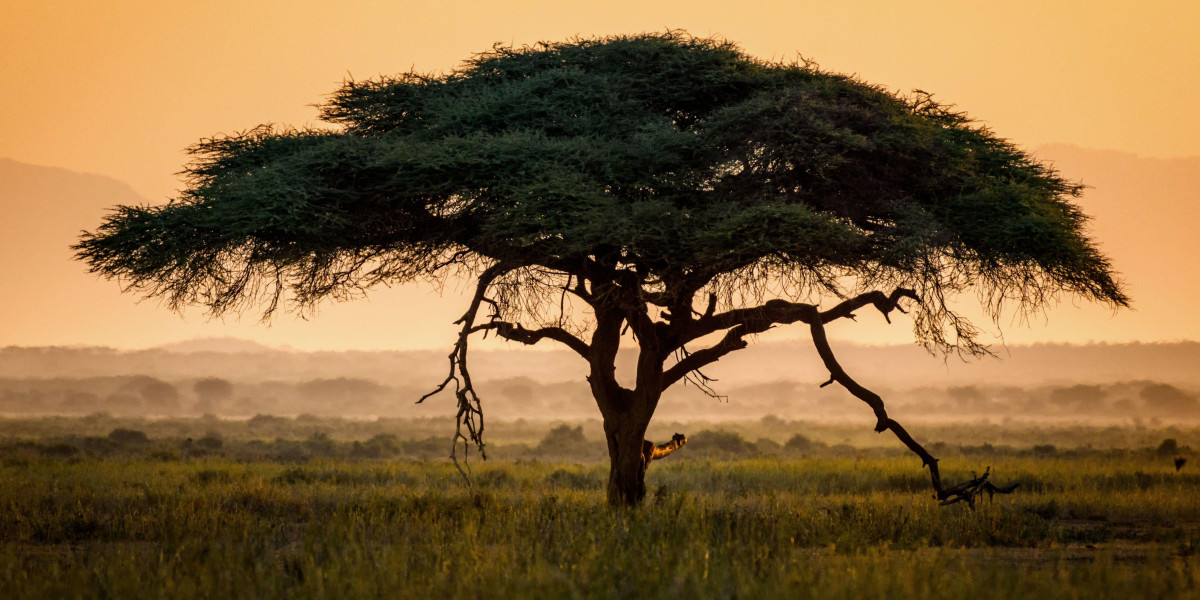
The park is recognized as a UNESCO World Heritage Site due to its outstanding biodiversity and ecological importance. Its endless savannahs, acacia woodlands, rocky outcrops (kopjes), and riverine forests support one of the richest concentrations of wildlife in Africa.
Location
Serengeti National Park is located in northern Tanzania, bordering:
- Ngorongoro Conservation Area to the southeast
- Maswa Game Reserve to the southwest
- Grumeti Game Reserve and Ikorongo Game Reserve to the west
- Kenya's Maasai Mara National Reserve to the north
The nearest gateway towns are Arusha and Mwanza, with access by both road and domestic flights.
Wildlife
The Serengeti is home to an extraordinary diversity of wildlife, including:
- Lions
- Leopards
- Cheetahs
- Elephants
- African buffaloes
- Black rhinoceroses (in limited numbers)
- Giraffes
- Zebras
- Wildebeest
- Hippos
- Nile crocodiles
- Hyenas
- Jackals
- More than 500 bird species
The park is one of the best places in Africa to observe the Big Five—lion, leopard, elephant, buffalo, and rhinoceros.
The Great Migration
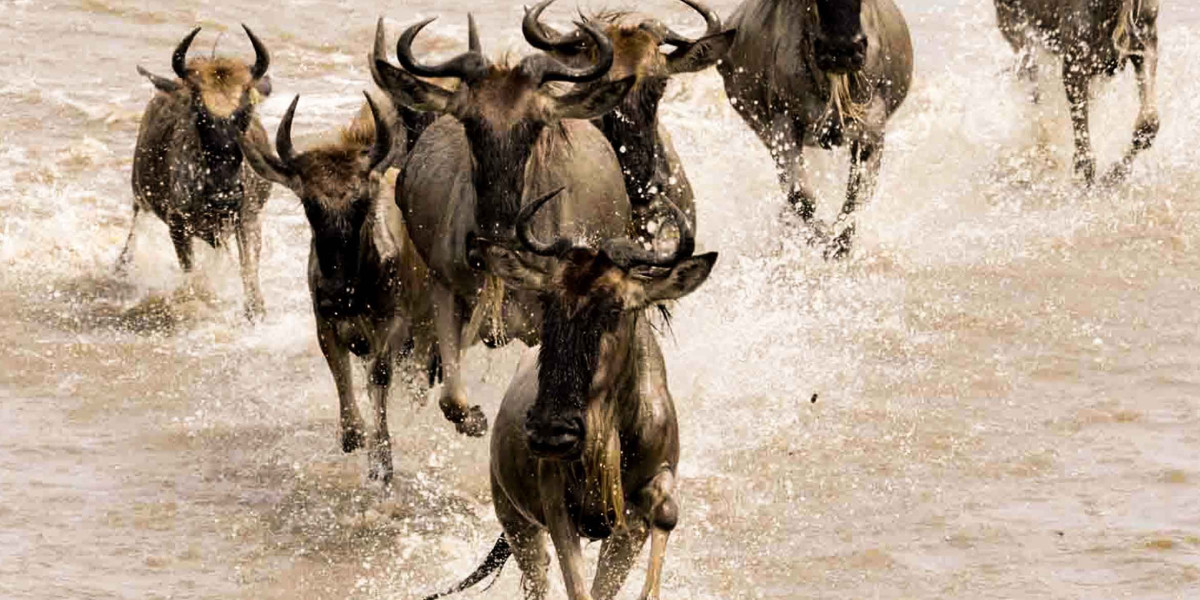
The Great Migration is one of the world's greatest wildlife spectacles, taking place across Serengeti National Park. Every year, more than 1.5 million wildebeest, along with hundreds of thousands of zebras and gazelles, migrate in search of fresh grazing and water.
Driven by seasonal rainfall, the herds travel in a continuous cycle through the Serengeti, facing dramatic river crossings and predators such as lions, crocodiles, and hyenas. This remarkable journey is one of Africa's most iconic natural events and a highlight for visitors from around the world.
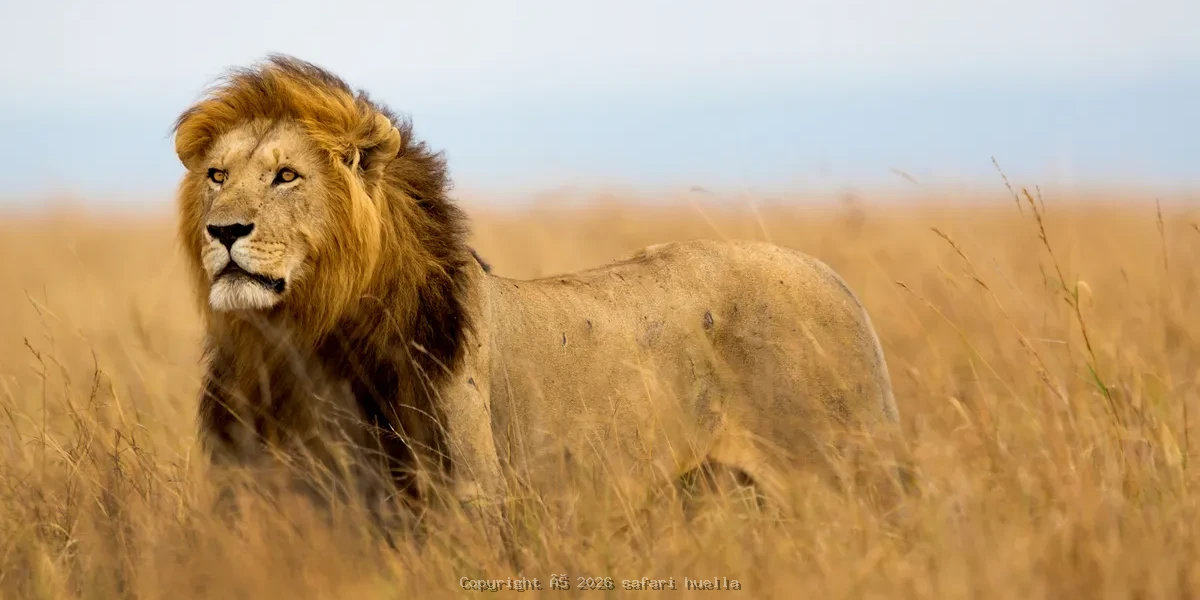
Central Serengeti (Seronera)
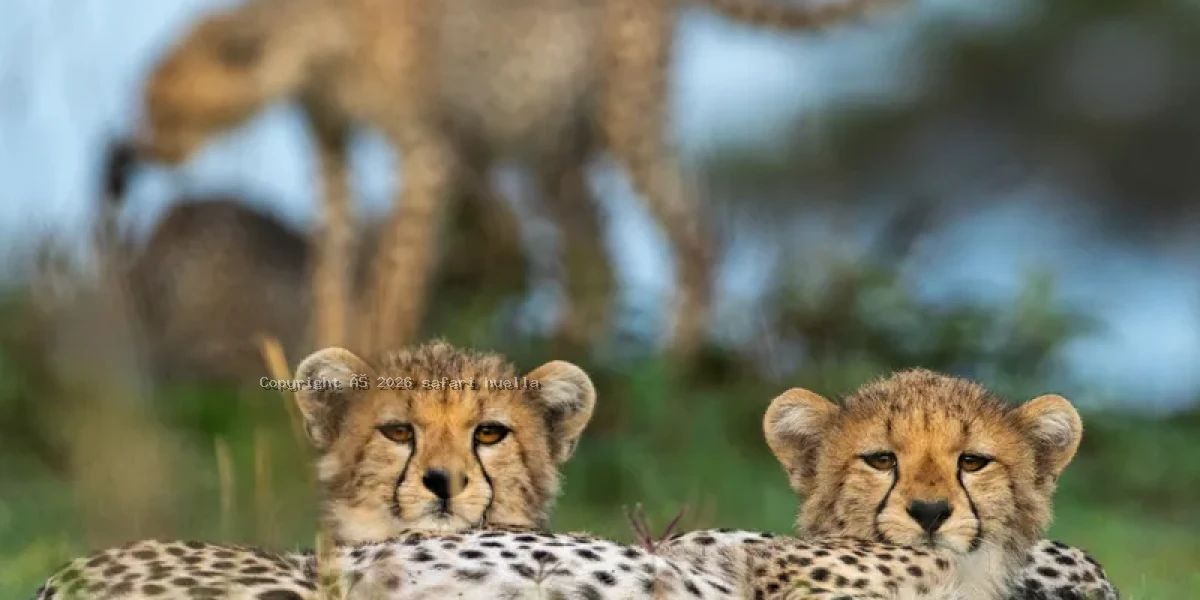
Seronera is the heart of Serengeti National Park and one of the best areas for year-round wildlife viewing. Known for its rich grasslands, rivers, and rocky kopjes, it is famous for spotting big cats such as lions, leopards, and cheetahs, along with elephants, giraffes, zebras, and many other animals. It is a must-visit destination for an unforgettable Serengeti safari experience.
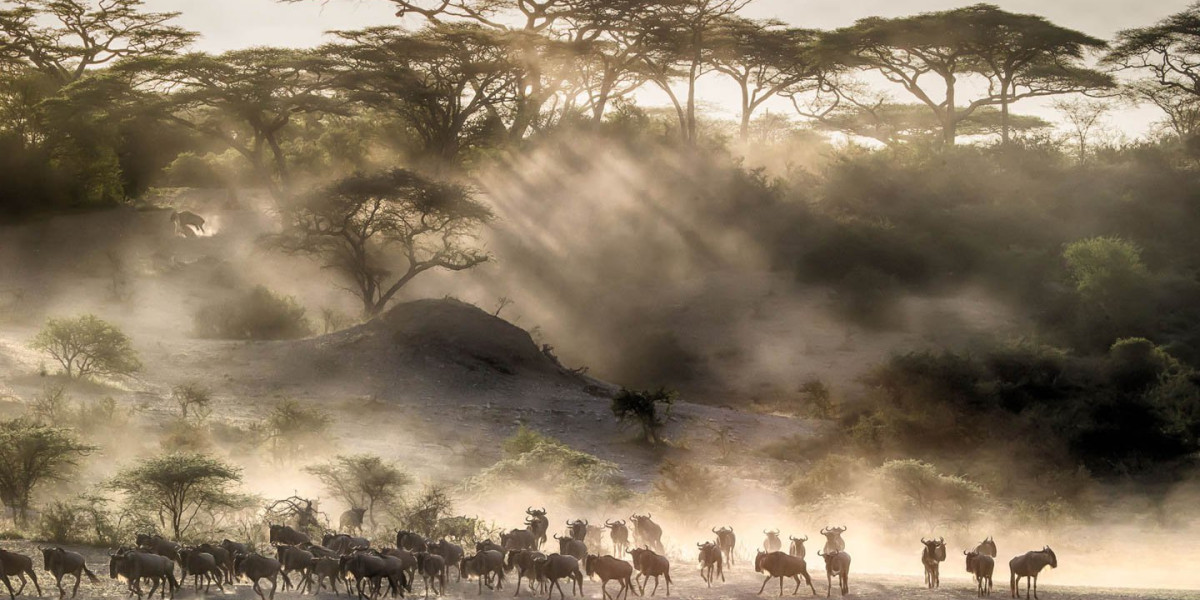
Western Corridor
The Western Corridor is a wildlife-rich area of Serengeti National Park, famous for the Grumeti River and dramatic scenes of the Great Migration. Between May and July, large herds of wildebeest and zebras pass through the region, facing challenging river crossings. The area also offers excellent opportunities to see lions, elephants, crocodiles, and other wildlife in a quieter safari setting.
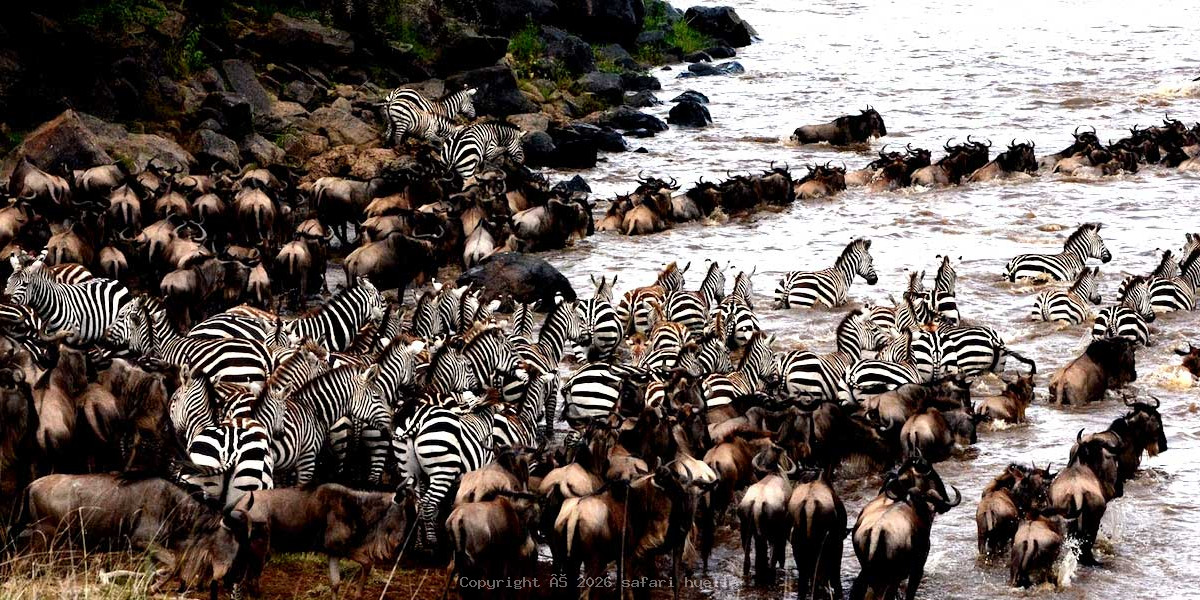
Northern Serengeti
The Northern Serengeti is a remote and beautiful region of Serengeti National Park, famous for the dramatic Mara River crossings during the Great Migration. From July to October, thousands of wildebeest and zebras cross the river in search of fresh grazing. The area also offers excellent wildlife viewing, including lions, elephants, giraffes, and other iconic African animals.
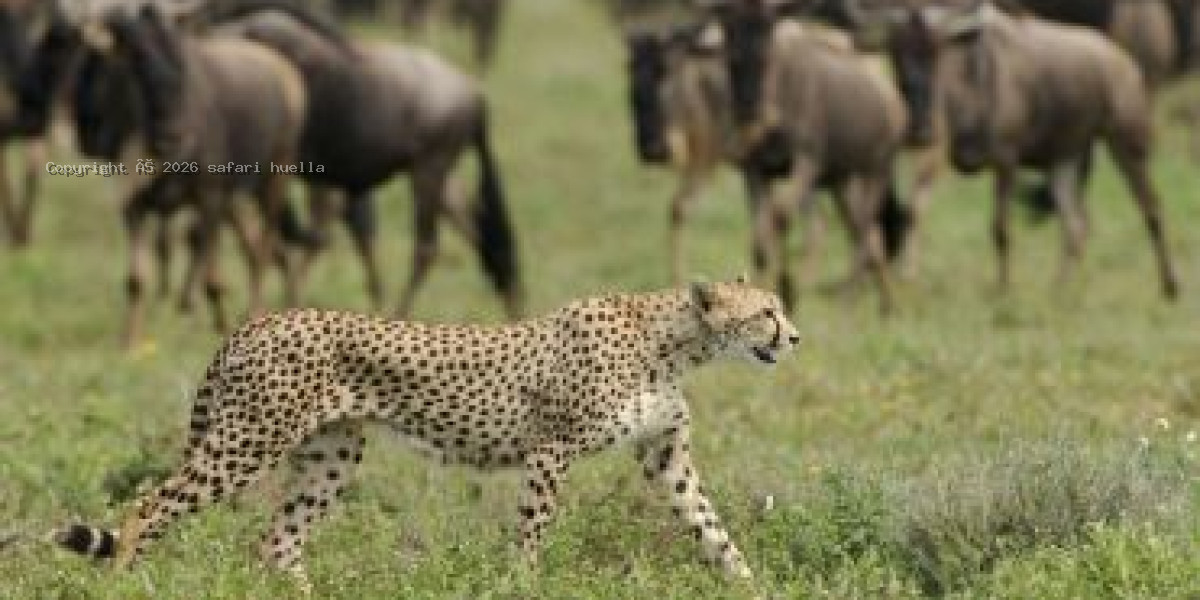
Southern Plains
The Southern Plains of Serengeti National Park are famous for the Great Migration calving season. Between January and March, thousands of wildebeest give birth, attracting predators such as lions, cheetahs, and hyenas. With vast open grasslands and abundant wildlife, the Southern Plains offer a spectacular safari experience.
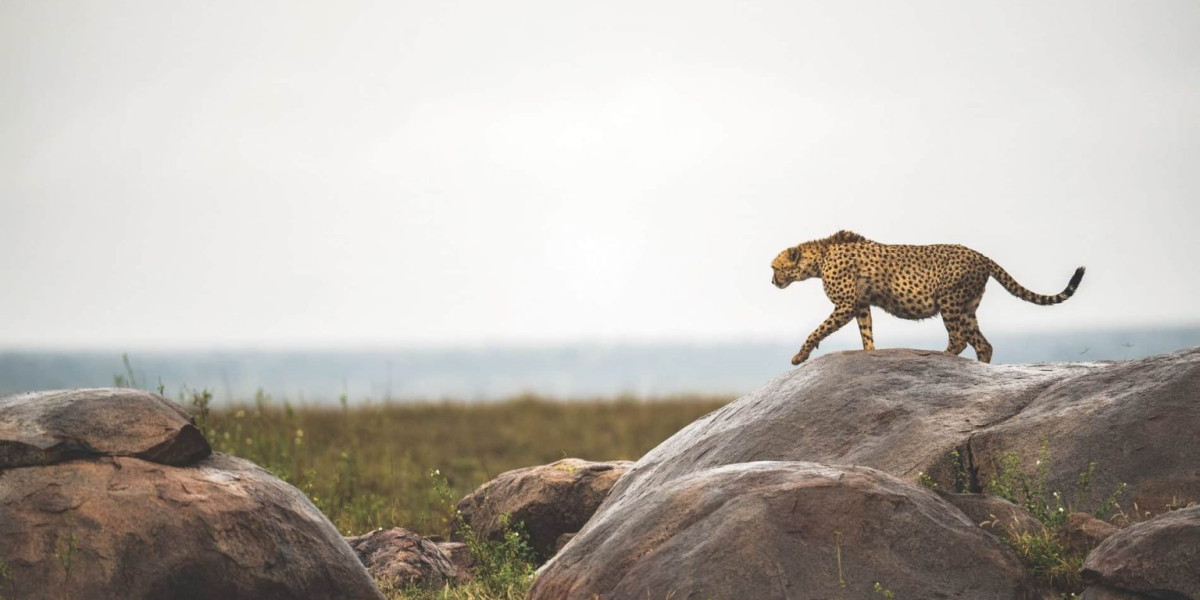
Kopjes
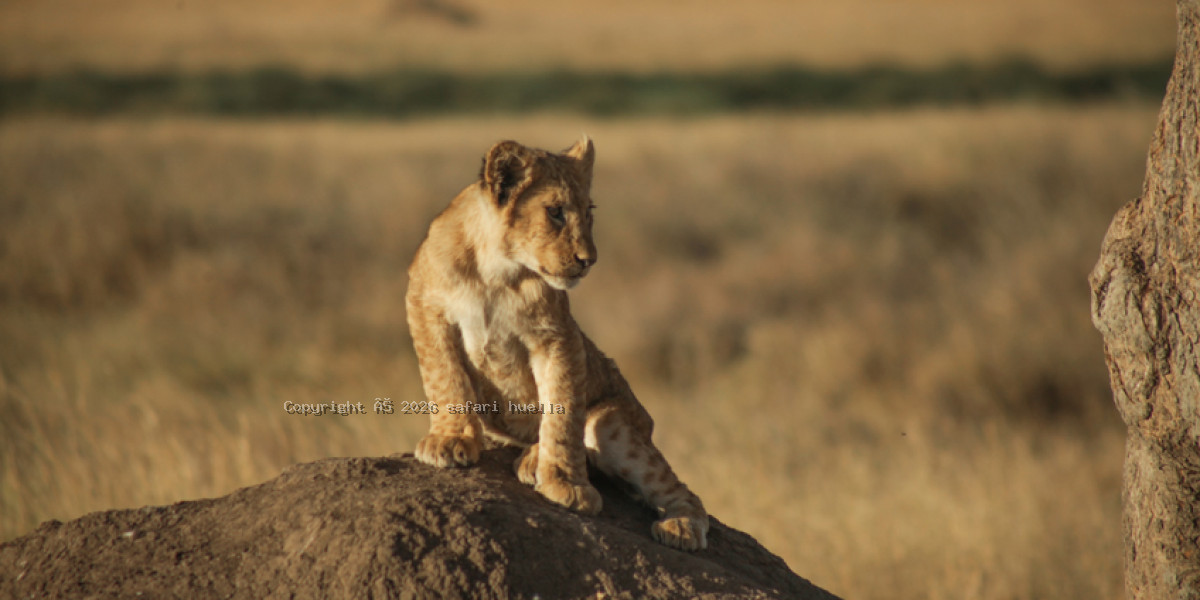
Kopjes are ancient granite rock formations scattered across Serengeti National Park. They provide shelter and lookout points for wildlife, especially lions, leopards, and other predators. These iconic rocky landscapes add beauty to the Serengeti and offer excellent opportunities for wildlife viewing and photography.
Experience the Serengeti with Safari Huella
Explore the wonders of Serengeti National Park with Safari Huella. Enjoy unforgettable game drives, witness the Great Migration, discover incredible wildlife, and experience the beauty of Tanzania’s iconic wilderness with expert guides and personalized safari adventures.
Best Time to Visit
The park offers excellent wildlife viewing throughout the year, but experiences vary by season:
June–October: Dry season with outstanding wildlife viewing and migration river crossings.
January–March: Calving season in the southern plains, attracting many predators.
April–May: Green season with fewer visitors, lush landscapes, and excellent bird watching.
Climate
Serengeti National Park has a warm tropical savannah climate with moderate temperatures throughout the year.
Dry season: June to October
Short rains: November to December
Long rains: March to May
Average daytime temperatures generally range from 20°C to 30°C, depending on location and season.
Conservation Importance
Serengeti National Park plays a vital role in conserving one of the world's most important ecosystems. It protects globally significant populations of wildlife, supports scientific research, promotes sustainable tourism, and helps preserve the natural heritage of Tanzania for future generations.