African safaris is an experience you will undoubtedly never forget, and epic safari photography ensures that you can share this incredible experience with family and friends. In fact, the photos you take while on safari are one of the best ways to share the experience with the people you love. For that reason, you'll want to make sure you're able to take the best photos possible.
1. Safari Photography 101: The Right Camera Equipment
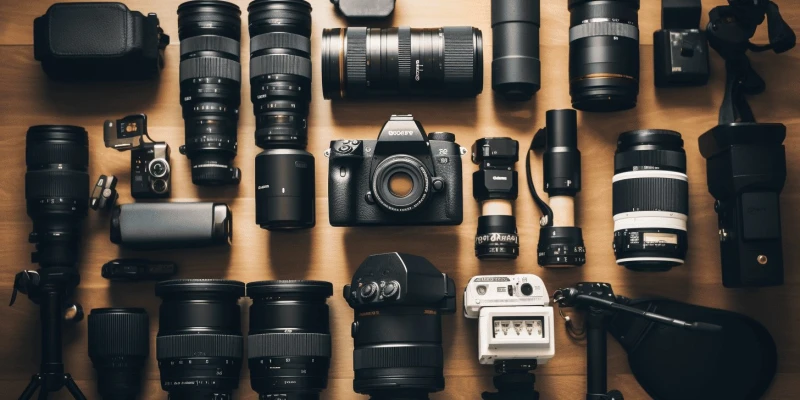
One of the easiest ways to improve your safari photography is to make sure you have the right camera gear with you. You'll spend a good amount of time in a vehicle during a safari, photographing animals from outside the vehicle. This makes safari photography quite different from other types of photography.
Having the right equipment will keep you more comfortable, protect your camera, and help you capture more compelling photographs.
2. Use Shutter Priority Mode with a Fast Shutter Speed
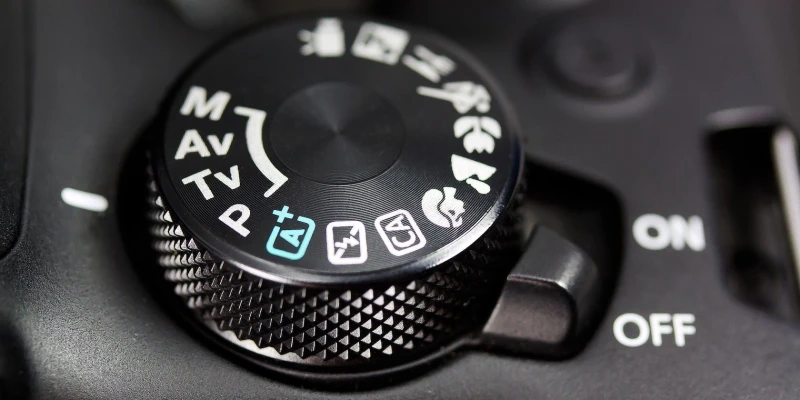
This is a crucial step. Unless you plan to photograph a stationary subject, such as a landscape, you should make sure your camera is set to Shutter Priority mode. If your camera doesn't have a Shutter Priority mode, set it to Action Shot mode or your camera's equivalent. This will help freeze the movement of the animals you're photographing. If you don't adjust this setting, your photos are likely to come out blurry.
When your camera is in Shutter Priority mode, you choose the shutter speed you want to use, and the camera automatically selects the aperture to achieve the best exposure. If you're not familiar with shutter speed and aperture, you may want to read more about these concepts in a guide on photographing in low-light conditions.
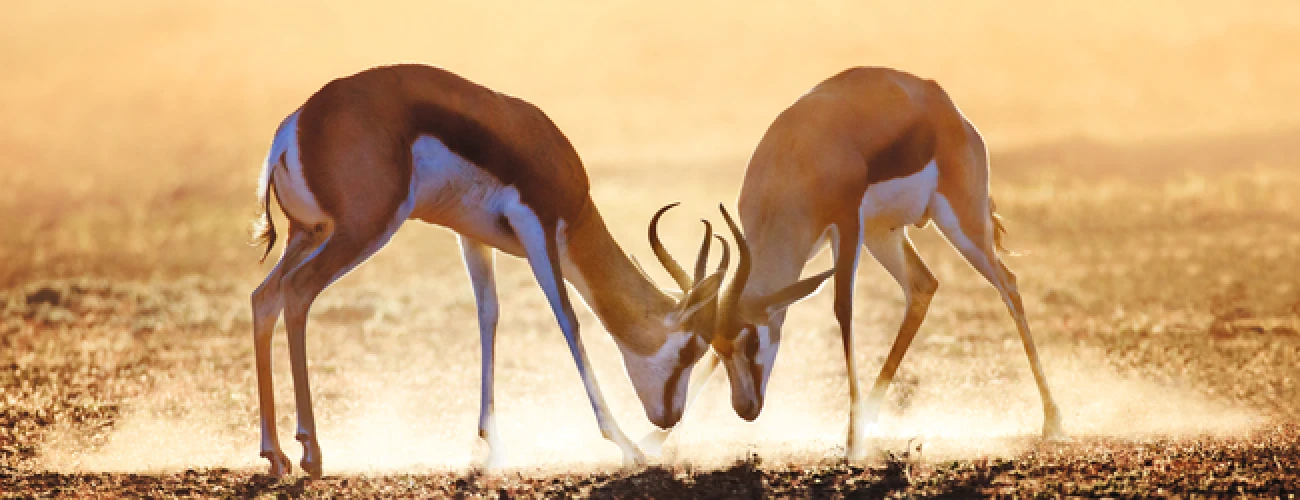
In simple terms, by adjusting how quickly your camera takes the picture (the shutter speed), you can freeze the movement of the animals you're photographing. The ideal shutter speed depends on the animal and what it's doing. For example, if I'm photographing a buffalo that's standing still and grazing, I can safely use a shutter speed between 1/50 and 1/320 of a second without motion blur. However, if I'm photographing a cheetah running, I'll need a much faster shutter speed of 1/1000 to 1/1250 of a second.
3. Use the Rule of Thirds for Better Safari Photos
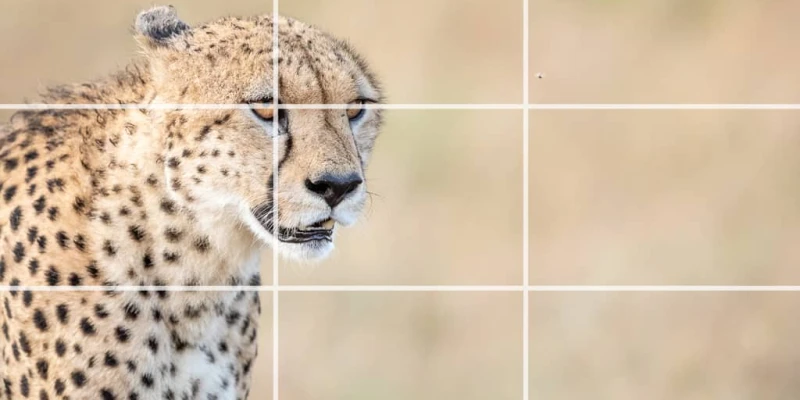
One of the best composition techniques is the rule of thirds. This is a valuable photography tip in general, but it's especially useful for wildlife photography on safari. Instead of placing the animal in the center of every frame, try positioning it slightly to the left or right of center. Following this rule will make your photos more visually engaging and dynamic.
4. Focus on the Eyes
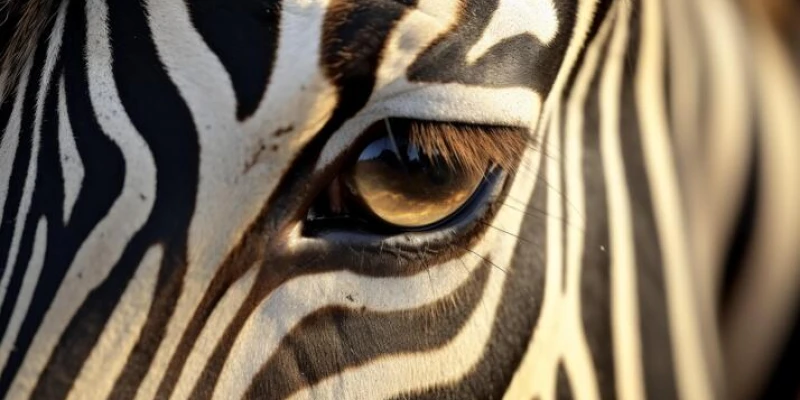
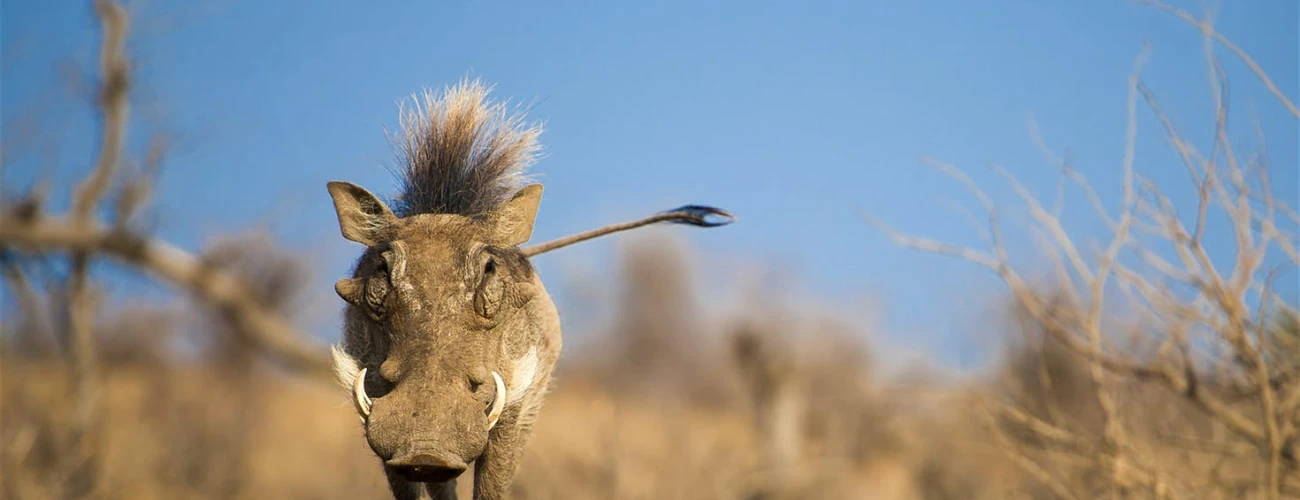
If there's only one tip you remember from this article, let it be this: always focus on the animal's eyes.
Instead of taking lots of photos as soon as you spot an animal, wait until it looks toward you. Then make sure your focus is locked on its eyes.
When the eyes are in sharp focus, viewers feel as though the animal is looking directly at them through the photograph. This creates a much stronger emotional connection than photos where the animal is looking away. This is especially important when taking close up shots.
5. Always Keep Your Camera Ready
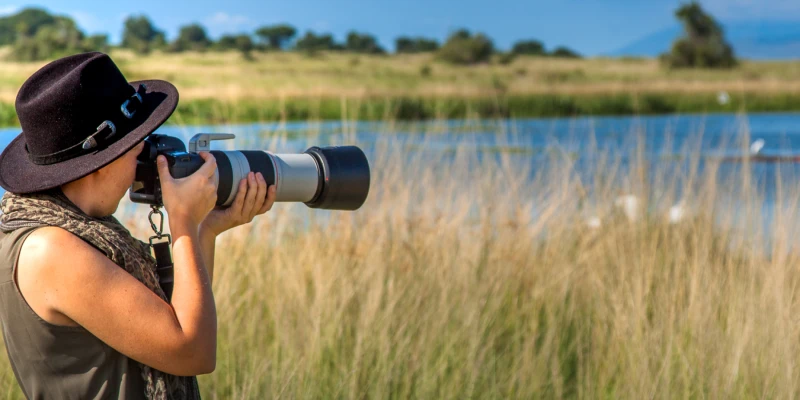
The final safari photography tip is to always have your camera ready while you're on safari. You never know what animals might appear around the next bend or over the next hill. If your camera isn't prepared, you could miss the best photo opportunity of your life.