Arusha National Park | Tanzania Safari & Wildlife Adventure
Arusha National Park is a scenic wildlife conservation area located in northern Tanzania, close to Arusha. The park covers approximately 552 square kilometres and is known for its diverse landscapes, including the forests of Mount Meru, open grasslands, lakes, wetlands, and the dramatic Ngurdoto Crater.
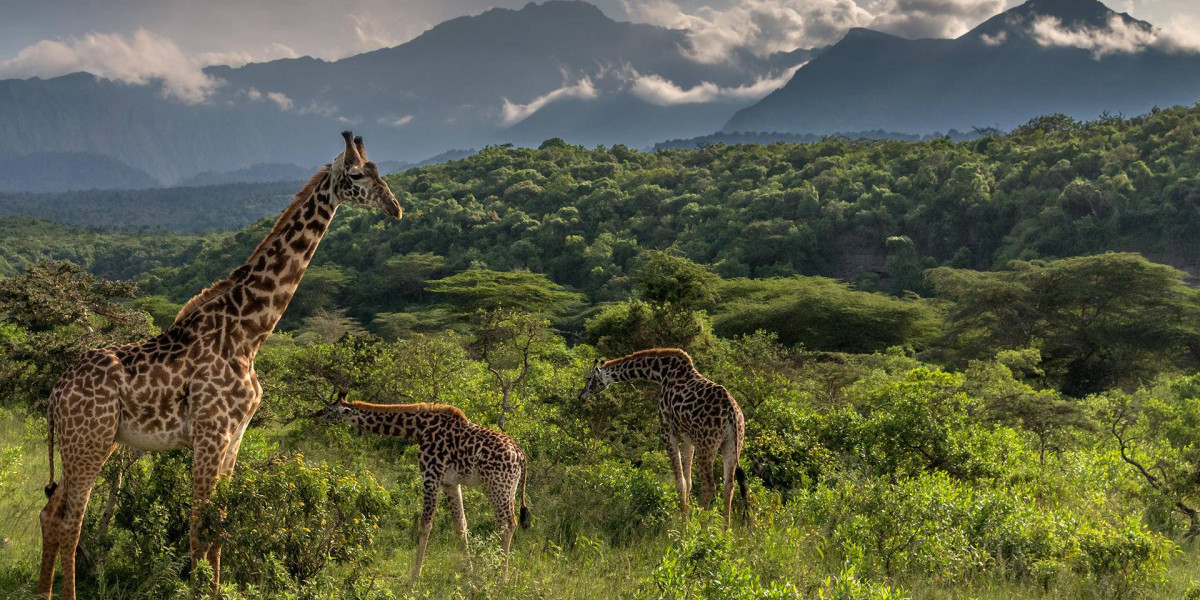
The park is part of Tanzania’s northern safari circuit and offers visitors a unique combination of wildlife viewing, mountain scenery, and outdoor activities. It is home to animals such as giraffes, buffaloes, zebras, warthogs, antelopes, and several species of monkeys, as well as a wide variety of birdlife.
Unlike some of Tanzania’s larger safari destinations, Arusha National Park is valued for its peaceful atmosphere, beautiful scenery, and opportunities for walking safaris and nature experiences. Its location near Arusha makes it an ideal destination for short visits, day trips, and as an introduction to Tanzania’s wildlife tourism.
Location
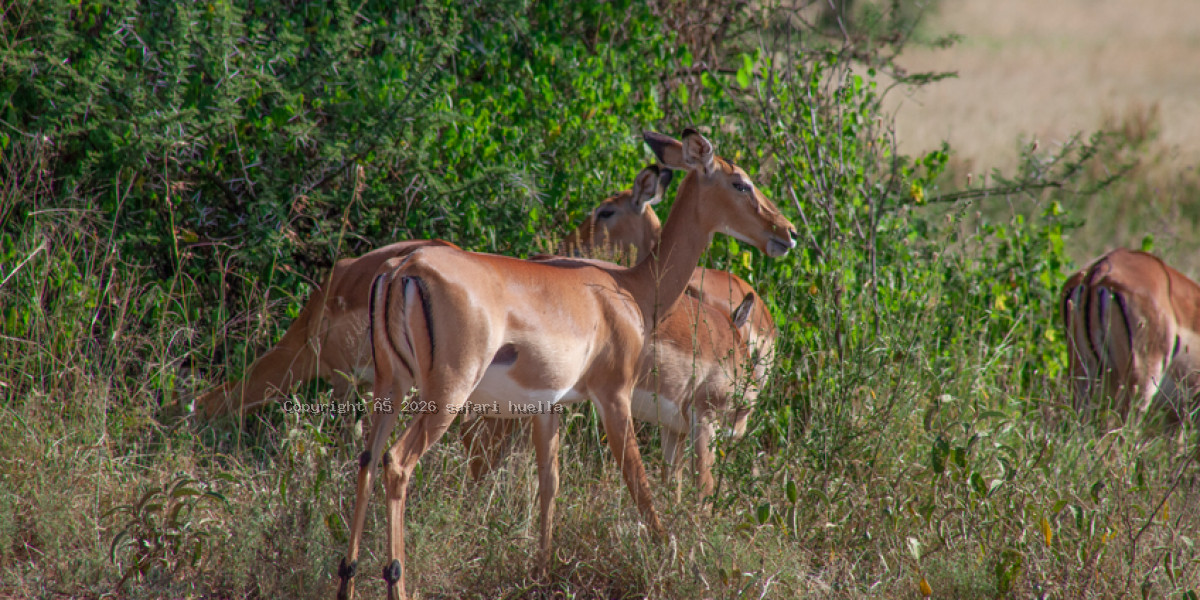
Wildlife
Arusha National Park offers a rich variety of wildlife, including:
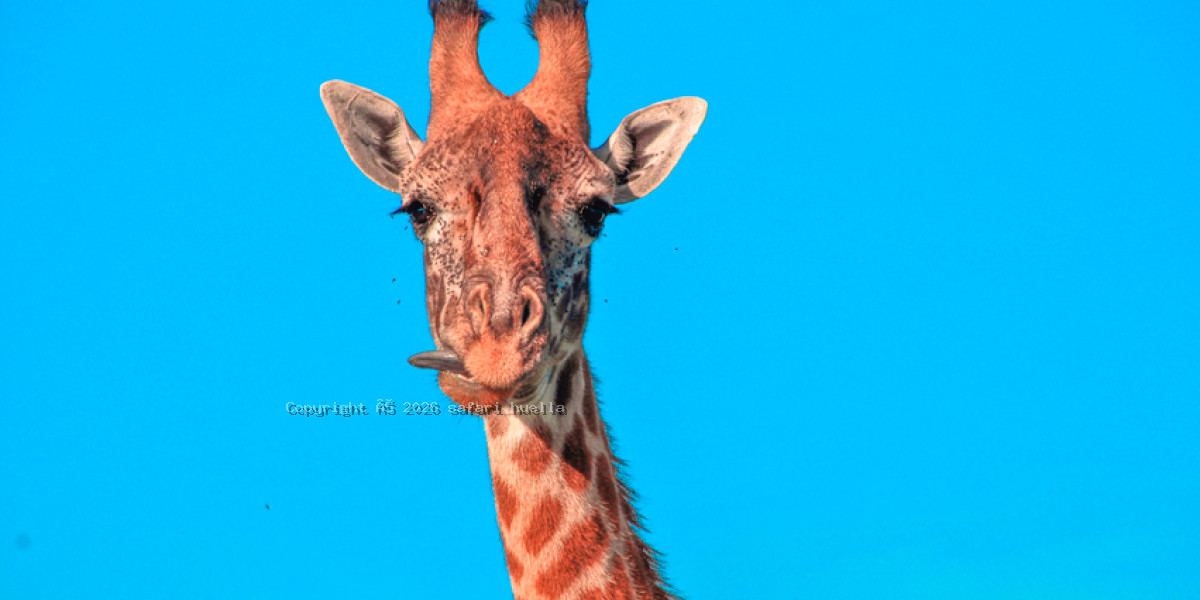
- Giraffes — one of the park’s most common and iconic animals
- Buffaloes
- Zebras
- Warthogs
- Bushbucks
- Waterbucks
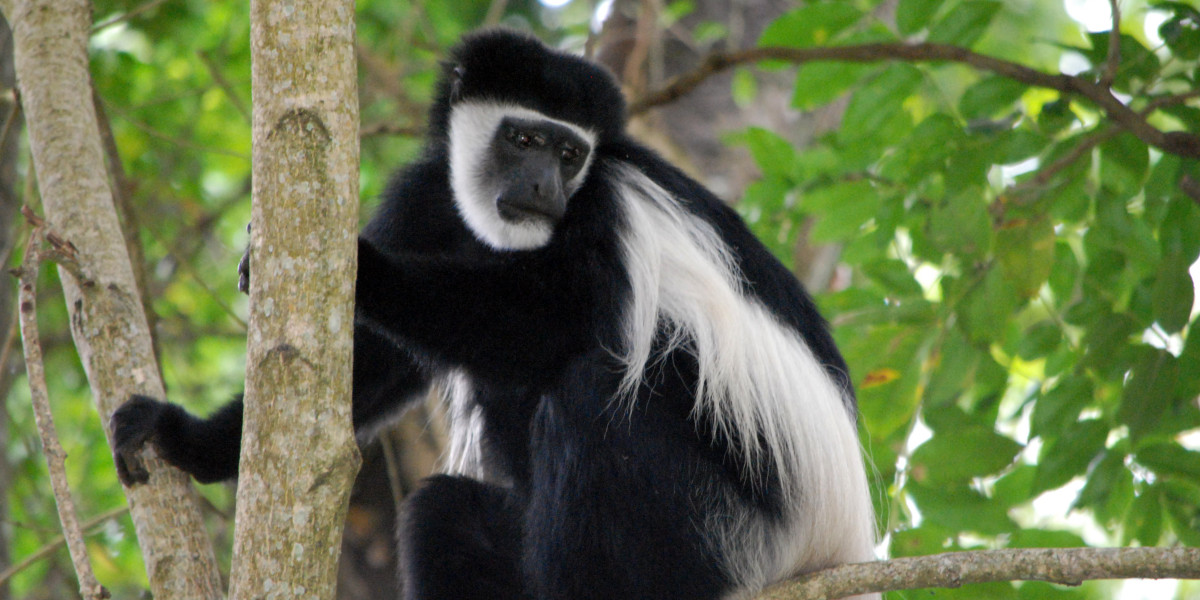
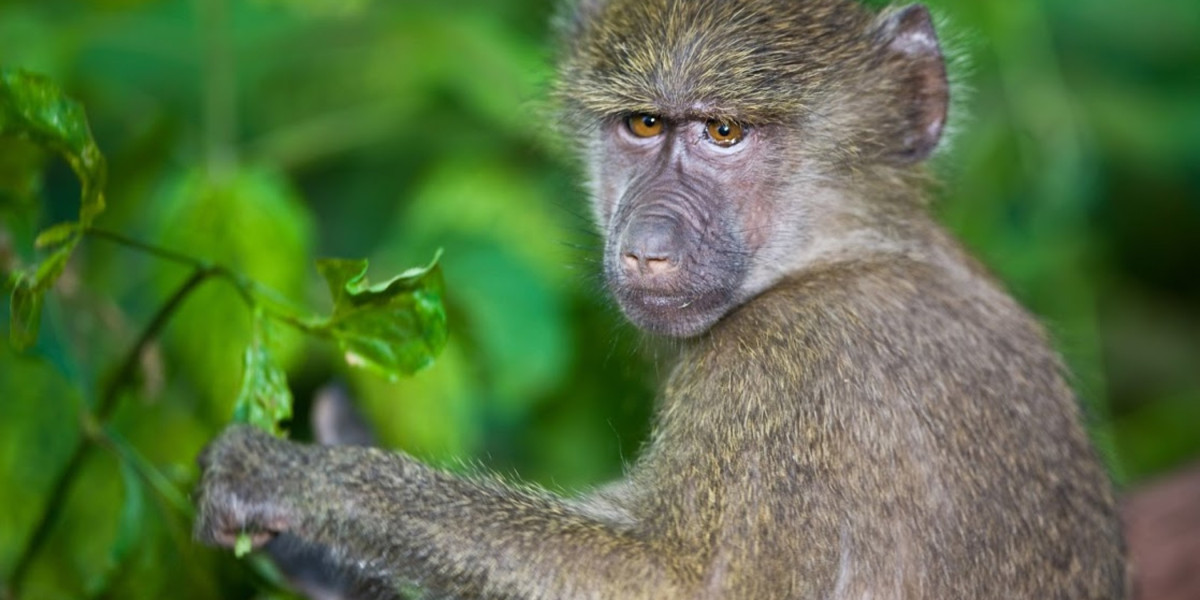
- Monkeys, including black-and-white colobus monkeys and blue monkeys
- Numerous bird species, making it a popular bird-watching destination
Although it does not have large populations of lions and elephants like some larger parks, its scenic beauty and unique wildlife experiences make it a special destination.
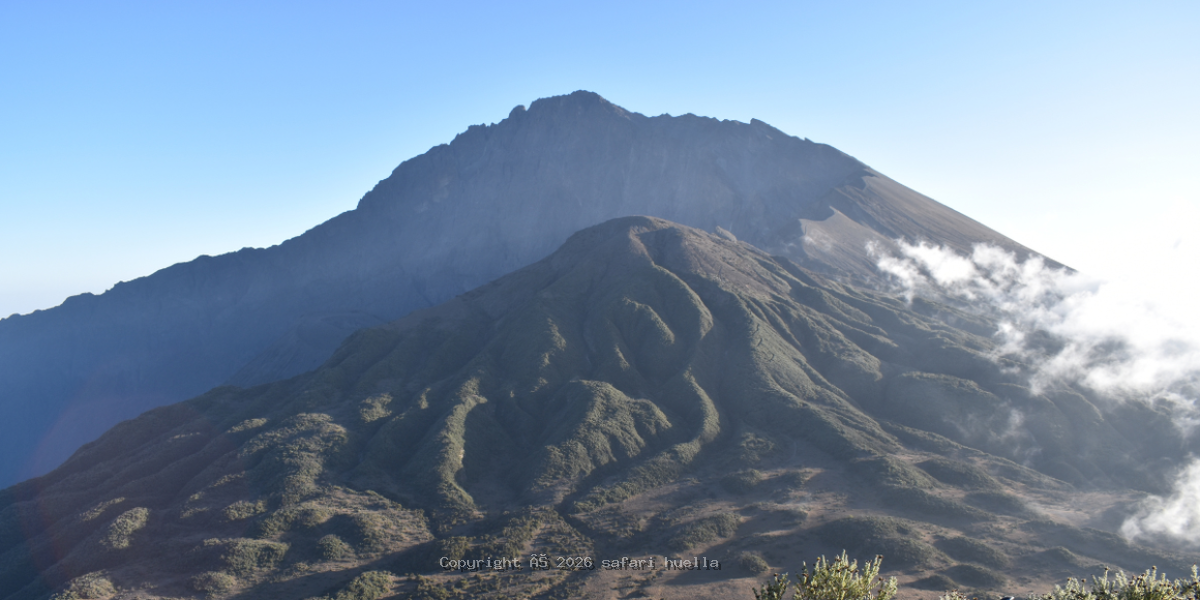
Major Attractions: Mount Meru
A spectacular volcanic mountain that provides dramatic views and opportunities for trekking.
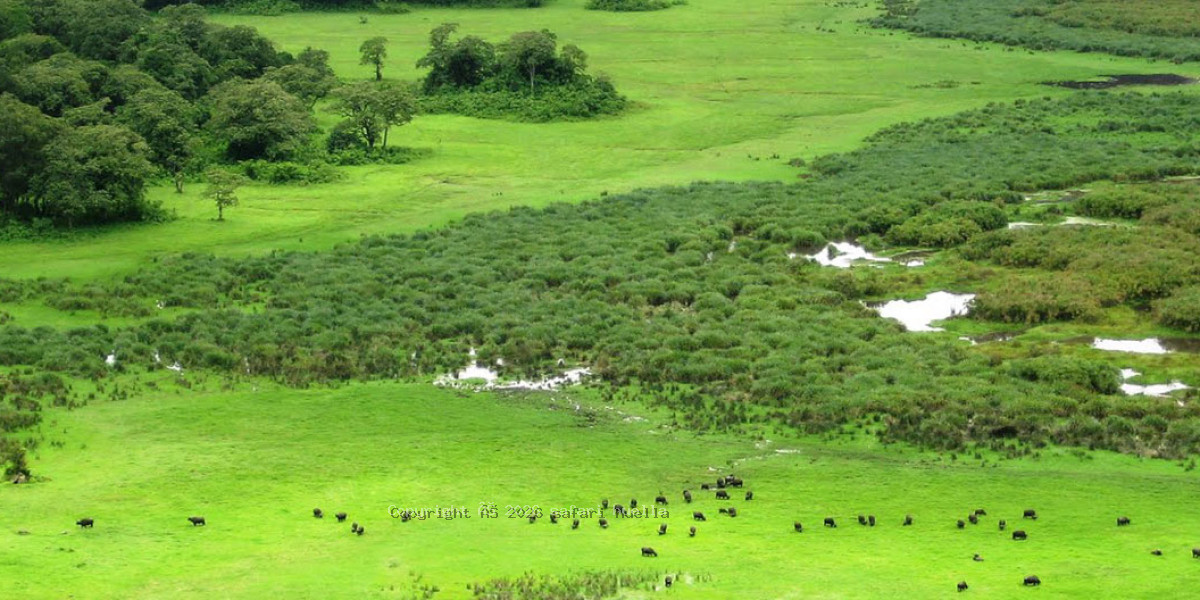
2. Ngurdoto Crater
A natural crater often called the “Little Ngorongoro” because of its green surroundings and wildlife-filled floor.
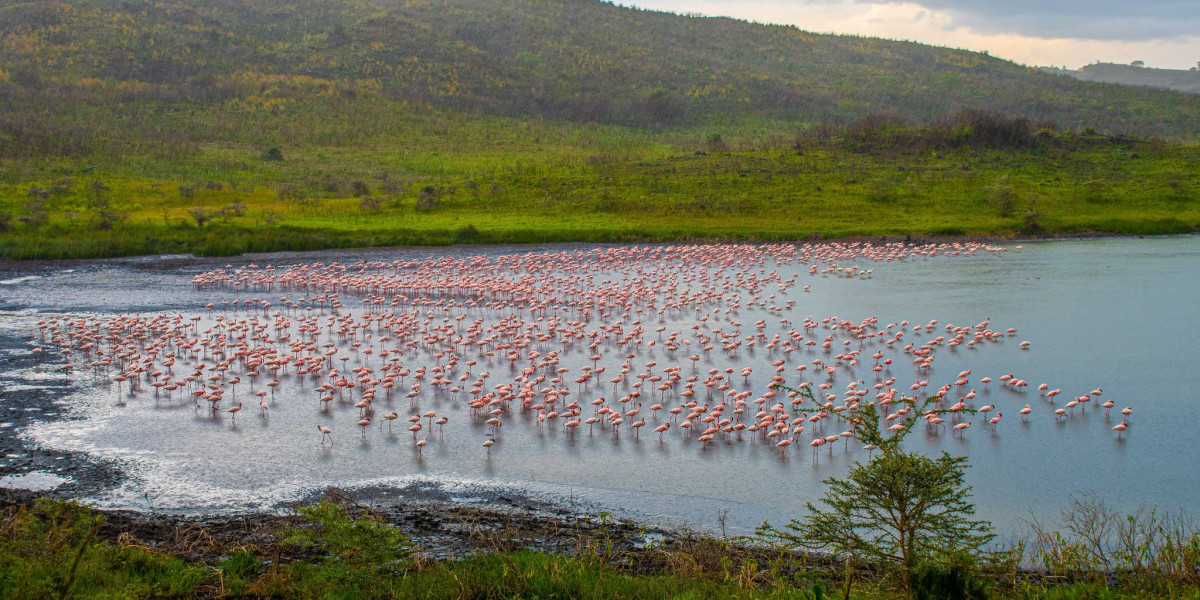
3. Lake Momella
A series of shallow alkaline lakes known for beautiful scenery and large numbers of flamingos and other water birds.
4. Montane Forests
Dense forests that provide a habitat for primates and many bird species.
Activities
Visitors can enjoy:
- Game drives
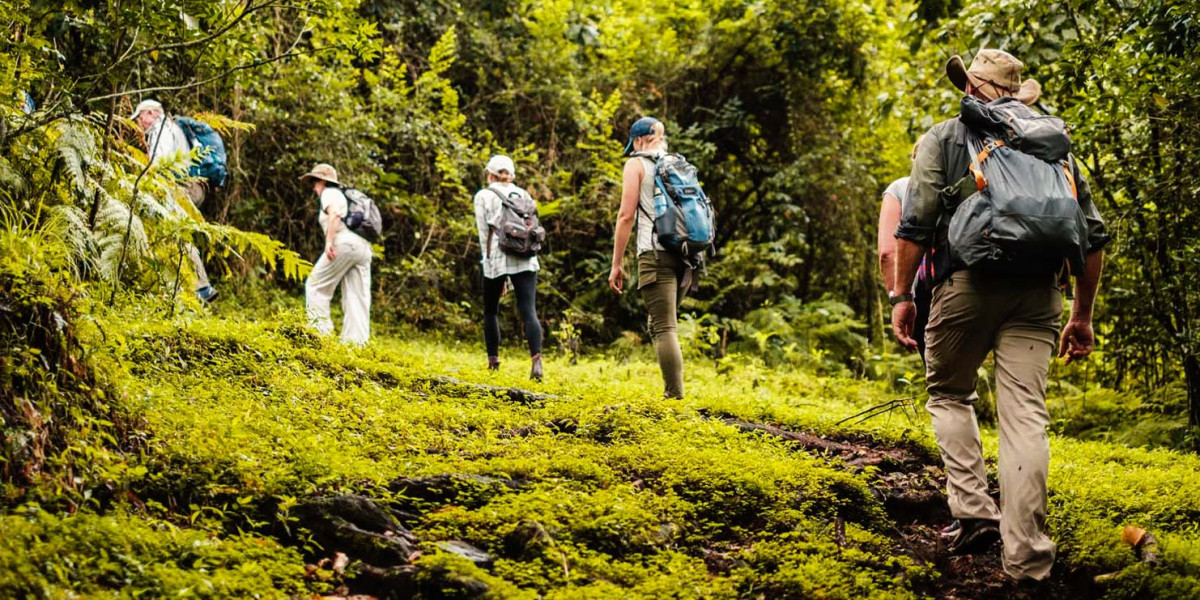
- Walking safaris with armed guides
- Bird watching
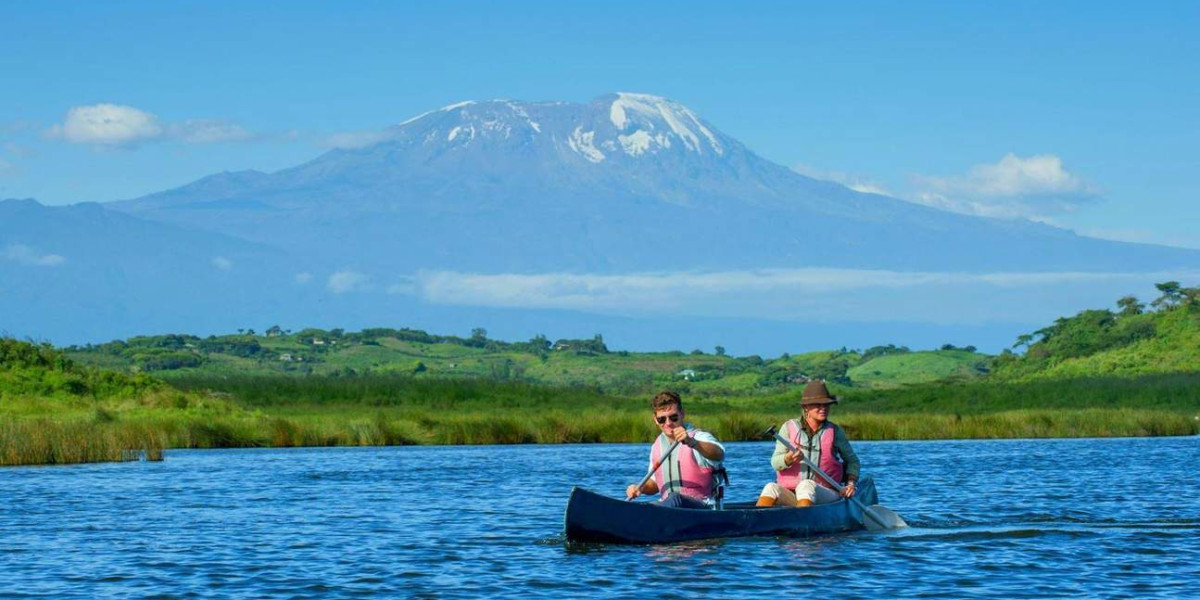
- Canoeing on selected lakes
- Mountain climbing on Mount Meru
- Photography and nature tours
Best Time to Visit
The park can be visited throughout the year, but the best periods are generally:
- June–October: Dry season with easier wildlife viewing and comfortable weather
- January–February: Good conditions with green landscapes and excellent bird watching
- March–May: Rainy season; landscapes are lush, but some roads may become challenging
Climate
Arusha National Park has a cooler climate compared with many other Tanzanian safari areas because of its high elevation. Weather conditions can change quickly, especially around Mount Meru.
Importance
The park plays an important role in conserving Tanzania’s natural heritage, protecting mountain ecosystems, supporting biodiversity, and providing opportunities for tourism, education, and research. It is also an important water catchment area for surrounding communities.